

Your dental bridge can last 15 years—here’s how Covina patients make that happen every day. A dental bridge is one of the most reliable tooth replacement options available. With the right care, it can serve you well for well over a decade. Dr. Paul Chung at Covina Dental Studio sees patients protect their bridges through simple, consistent habits.
Many people assume a bridge is a permanent, maintenance-free solution. That belief can shorten its lifespan significantly. Understanding what affects bridge longevity helps you make smart decisions every day. This article explains exactly what extends or reduces the life of your restoration.
What Is a Dental Bridge and How Long Can It Last in Covina?
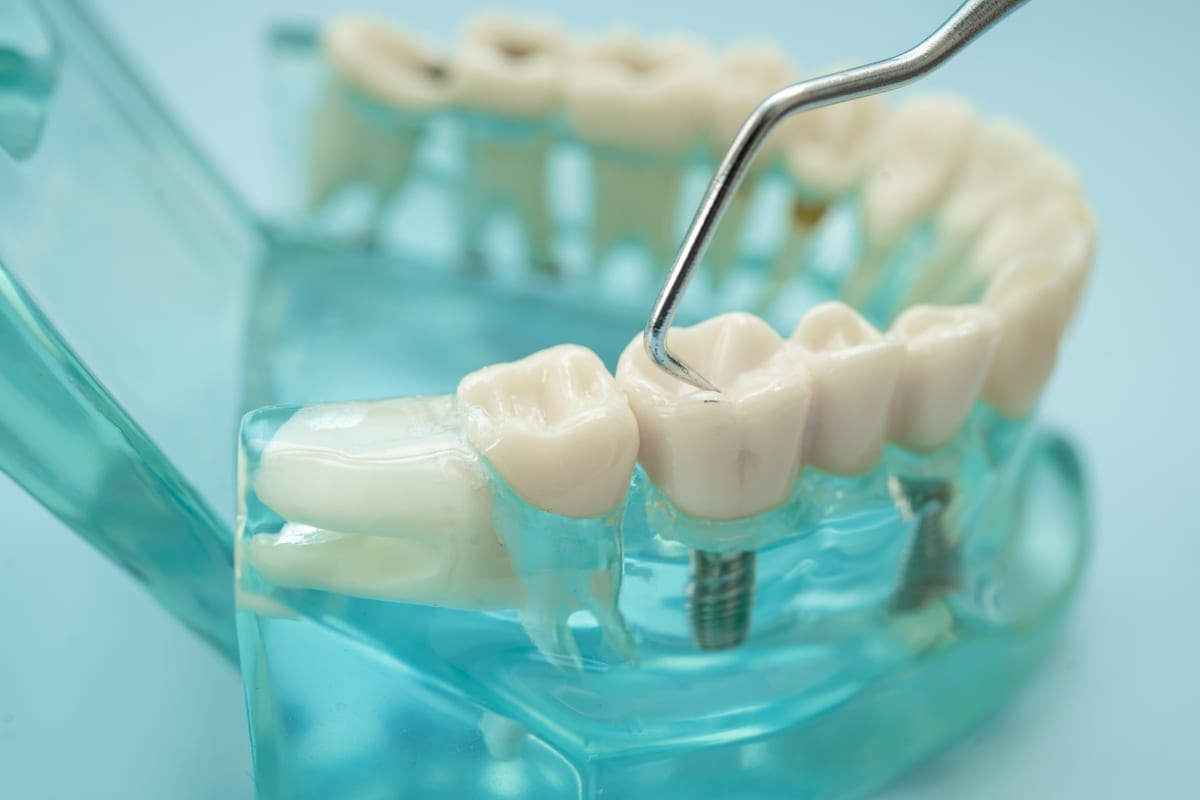
A dental bridge replaces one or more missing teeth using crowns on neighboring teeth. Those crowns anchor an artificial tooth, called a pontic, in the gap. The result looks natural and restores your bite function effectively. Most traditional bridges last between 10 and 15 years with proper care.
Some patients in Covina keep their bridges intact for 20 years or more. That outcome depends on materials, placement quality, and daily oral hygiene. Modern ceramic and porcelain-fused-to-metal bridges are highly durable. Dr. Chung customizes each bridge to fit your bite and lifestyle precisely.
Bridges are also an important part of Cosmetic Dentistry Covina patients rely on to restore their smiles. A well-fitted bridge blends seamlessly with surrounding teeth. It also prevents neighboring teeth from drifting into the empty space. Early placement after tooth loss gives your bridge the best chance at a long life.
Key Factors That Shorten Your Dental Bridge Lifespan
Several habits and conditions can cut a bridge’s lifespan dramatically. Knowing these risks helps you avoid unnecessary early replacements. Even a high-quality bridge fails when exposed to consistent damage. Here are the most common causes of premature bridge failure:
- Teeth grinding (bruxism): Nightly grinding puts enormous pressure on bridge materials.
- Poor oral hygiene: Plaque buildup under the pontic causes decay in anchor teeth.
- Hard or sticky foods: Chewing ice, hard candy, or caramel can crack or dislodge a bridge.
- Skipping dental checkups: Problems go undetected until they cause serious structural damage.
- Gum disease: Deteriorating gum and bone tissue weakens the foundation of your bridge.
- Using teeth as tools: Opening packages or bottles damages both natural teeth and restorations.
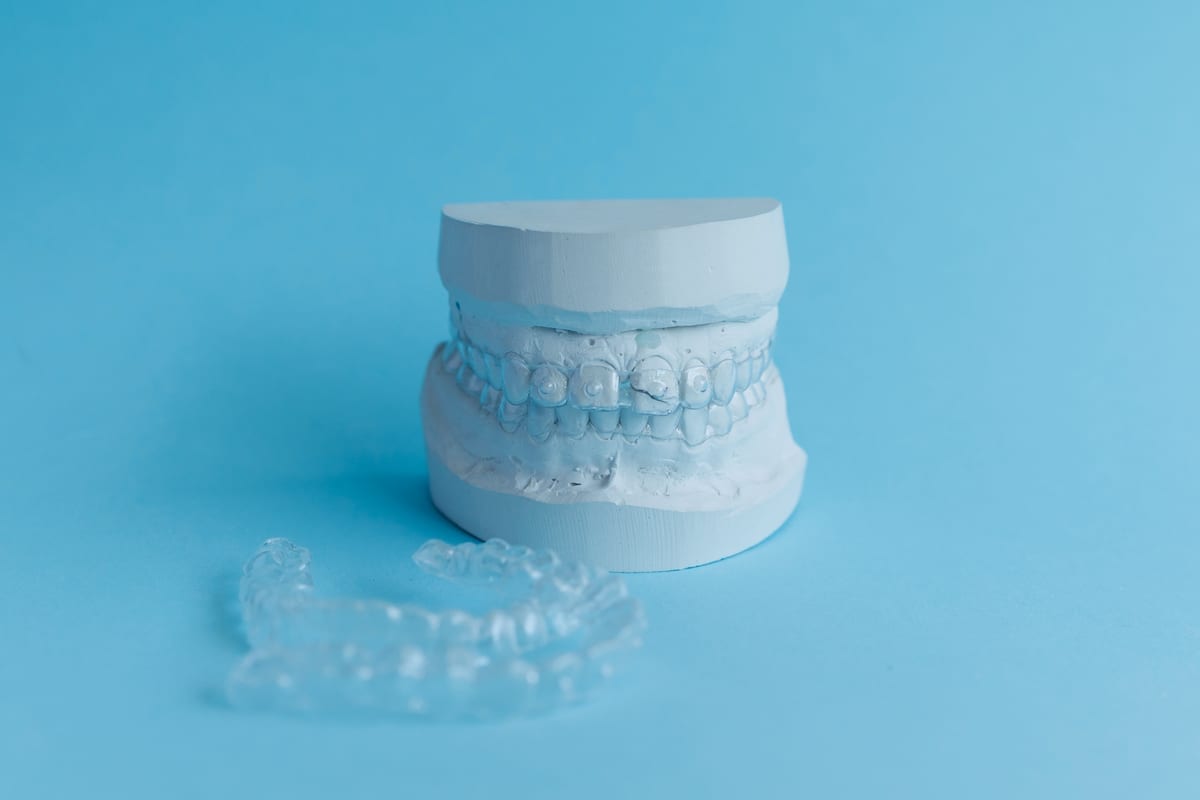
Bruxism is especially damaging and often goes unnoticed until pain begins. Dr. Chung can fit you with a custom night guard to protect your bridge. Treating gum disease early also prevents bone loss around anchor teeth. Catching these issues early through regular visits is always the best approach.
What Extends the Life of Your Bridge — and Your Smile
The good news is that most longevity factors are entirely within your control. Consistent daily care makes an enormous difference in how long your bridge lasts. Here is what Dr. Chung recommends for his Covina patients:
- Floss threaders or water flossers: These clean under the pontic where a regular floss cannot reach easily.
- Twice-daily brushing: Use a soft-bristle brush and non-abrasive toothpaste to protect crowns.
- Regular professional cleanings: Every six months, your hygienist removes hardened plaque your brush misses.
- A balanced diet: Crunchy vegetables are fine; crushing hard objects with your teeth is not.
- Night guards for grinders: A custom appliance absorbs pressure before it reaches your bridge.
- Prompt attention to sensitivity: Pain or looseness around your bridge needs same-week evaluation.
Routine professional cleanings support your bridge more than most patients realize. Tartar buildup near the gumline threatens the anchor crowns over time. Keeping those crowns healthy means your bridge stays stable. Book a cleaning at Covina Dental Studio to stay on schedule.
How Dr. Paul Chung Monitors Bridge Health Over Time
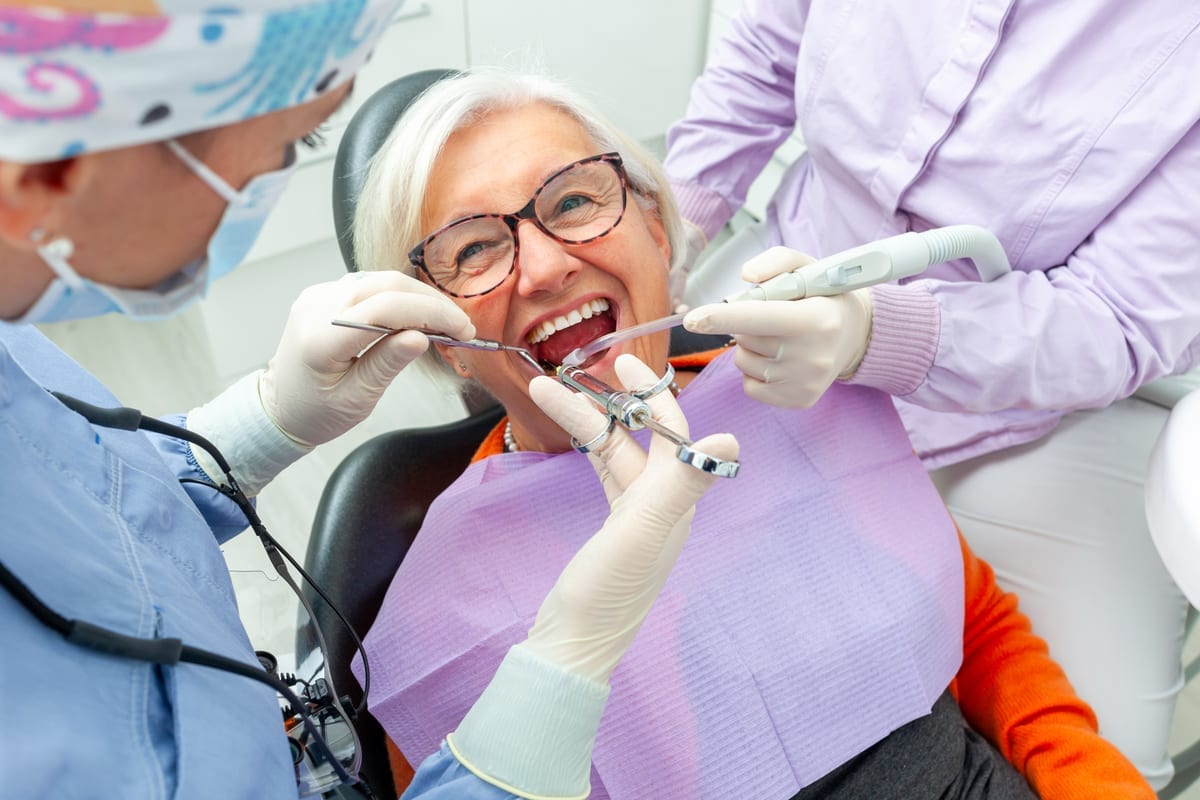
Every checkup at Covina Dental Studio includes a careful evaluation of your existing restorations. Dr. Chung checks bite alignment, crown margins, and gum health around the bridge. Small issues like minor cement loss or slight shifts in bite are easy to fix early. Left untreated, those same issues lead to full bridge replacement.
Digital X-rays help Dr. Chung see what is happening beneath the surface. Bone levels around anchor teeth change gradually and often without symptoms. Catching early bone loss allows for intervention before the bridge becomes unstable. This proactive approach is a cornerstone of care at Covina Dental Studio.
If your bridge ever feels loose, painful, or cracked, treat it as an urgent matter. A damaged bridge can expose anchor teeth to rapid decay. Prompt care through Emergency Dentistry Covina services prevents a small problem from becoming a costly one. Dr. Chung and his team prioritize fast, effective evaluation for existing restorations.
When It Is Time to Replace Your Dental Bridge
Even a well-maintained bridge eventually reaches the end of its functional life. Signs that replacement may be necessary include persistent pain, visible cracks, or rocking movement. Decay in the anchor teeth can also compromise the entire structure. Dr. Chung will discuss your options honestly when that time comes.
Replacement bridges can be fitted using the same anchor teeth if they remain healthy. In some cases, implant-supported options become a better long-term choice. Every patient’s situation is different, so Dr. Chung tailors his recommendations carefully. The goal is always to restore your function and confidence with minimal disruption.
Understanding your bridge’s condition empowers you to make informed decisions about your care. Patients who stay engaged with their dental health avoid expensive surprises. A proactive mindset is the single biggest predictor of long-term bridge success. Your smile is worth protecting at every stage.
Conclusion: Protect Your Investment and Your Smile in Covina
Your dental bridge can last 15 years—here’s how Covina patients make it happen: consistent hygiene, regular checkups, and prompt attention to any changes. Dr. Paul Chung and the Covina Dental Studio team are here to help you get the most from your restoration. A bridge is a meaningful investment in your oral health and quality of life. With the right support, it will serve you beautifully for many years ahead. Book Now to schedule your appointment with our team.
Frequently Asked Questions
How long does a dental bridge typically last?
Most dental bridges last between 10 and 15 years. With excellent oral hygiene and regular dental visits, some bridges remain functional for 20 years or more. The longevity depends on the materials used, the health of your anchor teeth, and your daily habits.
Can I floss with a dental bridge in place?
Yes, and you should. Standard floss cannot pass under the pontic, so use a floss threader, interdental brush, or water flosser instead. Cleaning beneath the bridge every day removes plaque that causes decay and gum disease around the anchor teeth.
What should I do if my dental bridge feels loose?
Contact Covina Dental Studio as soon as possible. A loose bridge can expose anchor teeth to bacteria and rapid decay. Dr. Chung can evaluate the cause and often re-cement or repair the bridge before serious damage occurs. Delaying treatment makes the problem significantly worse.
Does teeth grinding affect my bridge?
Yes, bruxism is one of the leading causes of premature bridge failure. The repetitive pressure fractures ceramic materials and stresses anchor crowns. Dr. Chung can fit you with a custom night guard to protect your bridge while you sleep.
How often should I visit the dentist after getting a bridge?
Visit Covina Dental Studio every six months for a professional cleaning and exam. These appointments allow Dr. Chung to monitor bone levels, gum health, and the structural integrity of your bridge. Catching small changes early extends the life of your restoration considerably.