

Many patients in Covina ask the same question: Can Invisalign fix your bite, or do you need braces instead? It is a smart question — and the answer depends on your specific dental needs. Invisalign has come a long way, but it is not the right solution for everyone. Understanding your candidacy before committing to treatment can save you time, money, and frustration.
At Covina Dental Studio, Dr. Paul Chung helps patients explore their orthodontic options with clarity and honesty. This guide breaks down what Invisalign can fix, what it cannot, and when traditional braces may be the better path forward.
What Invisalign Can Fix for Covina Patients
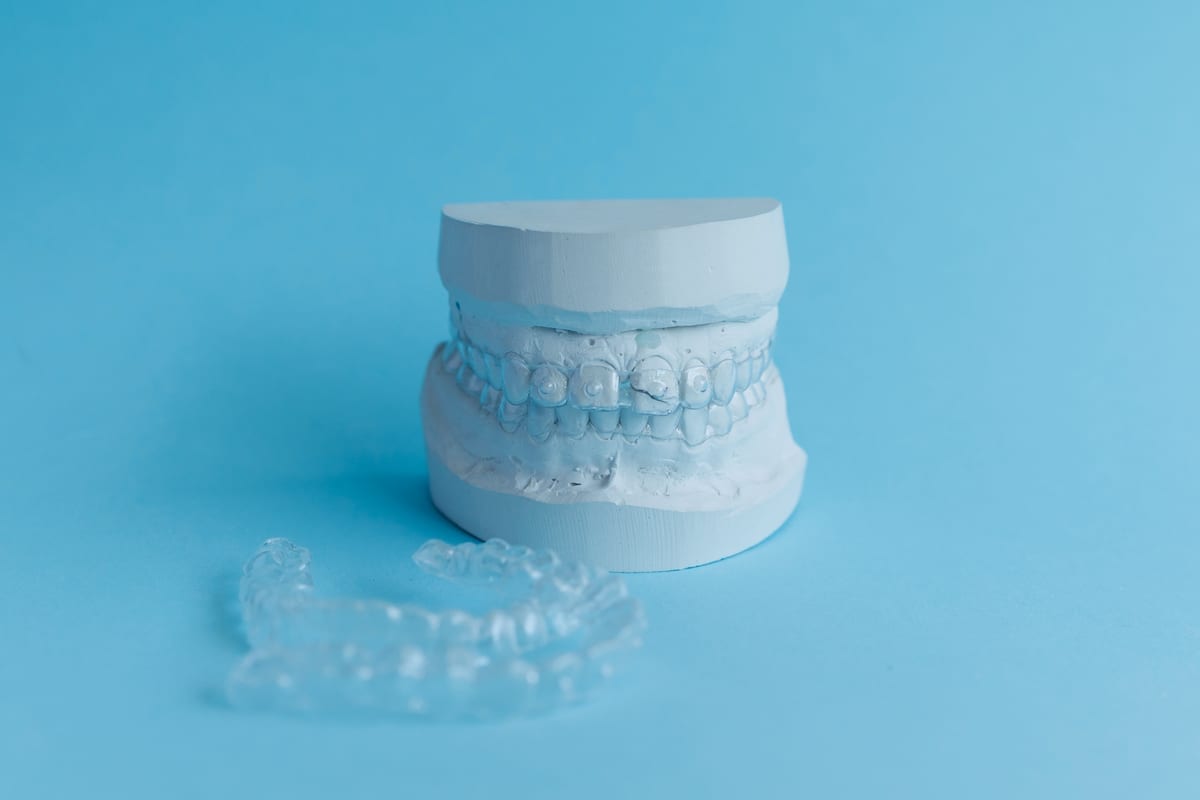
Invisalign uses a series of custom-made clear aligners to gradually shift teeth into place. It works well for many mild to moderate orthodontic issues. Millions of people have successfully corrected their smiles using this system.
Here are the common conditions that Invisalign can treat effectively:
- Mild to moderate crowding — when teeth overlap or sit too close together
- Spacing issues — gaps between teeth caused by missing teeth or natural growth patterns
- Mild overbite — when upper front teeth overlap lower teeth slightly too much
- Mild underbite — when lower teeth sit in front of upper teeth in minor cases
- Open bite — when upper and lower teeth do not meet when the mouth is closed
- Crossbite — when some upper teeth sit inside lower teeth
For these issues, Invisalign can be highly effective. Patients appreciate the discreet look and the ability to remove aligners for eating and cleaning. Results can often be achieved in 12 to 18 months for qualifying candidates.
When Braces Work Better Than Invisalign in Covina
Invisalign has real limitations. Certain bite problems require more force and precision than clear aligners can provide. In these cases, traditional braces deliver more predictable and lasting results.
Braces may be the better option when you have:
- Severe crowding — teeth that are significantly overlapping or rotated
- Severe overbite or underbite — cases involving jaw misalignment, not just tooth positioning
- Complex tooth rotations — particularly with molars or canine teeth
- Significant vertical bite issues — deep bites that Invisalign cannot reliably correct
- Skeletal discrepancies — jaw structure problems that may require surgical support
Traditional braces use brackets and wires that are bonded to your teeth. They apply continuous, controlled force that aligners simply cannot replicate. For moderate to severe bite correction, this makes a meaningful clinical difference.
It is also worth noting that patient compliance matters with Invisalign. Aligners must be worn 20 to 22 hours per day for results. Braces stay on around the clock, which removes that variable entirely.
Understanding Bite Issues: Overbite, Underbite, and Beyond
Your bite refers to how your upper and lower teeth come together. A misaligned bite — called malocclusion — can cause more than aesthetic concerns. It can lead to jaw pain, worn enamel, and even TMJ disorders over time.
An overbite occurs when upper teeth extend too far over the lower teeth. Mild overbites often respond well to Invisalign. Severe overbites typically require braces or even jaw surgery.
An underbite means your lower jaw protrudes past the upper jaw. Mild cases may qualify for Invisalign. However, skeletal underbites — where the jaw itself is misaligned — usually need more advanced intervention.
A crossbite can affect just one tooth or several. Invisalign handles some crossbite cases, but severe versions often call for braces. Your dentist or orthodontist will evaluate the extent of your crossbite before recommending a path forward.
If you experience jaw pain or clicking alongside bite issues, that could signal TMJ involvement. Addressing the bite correctly can sometimes relieve that discomfort as well.
How Dr. Paul Chung Evaluates Invisalign Candidacy at Covina Dental Studio
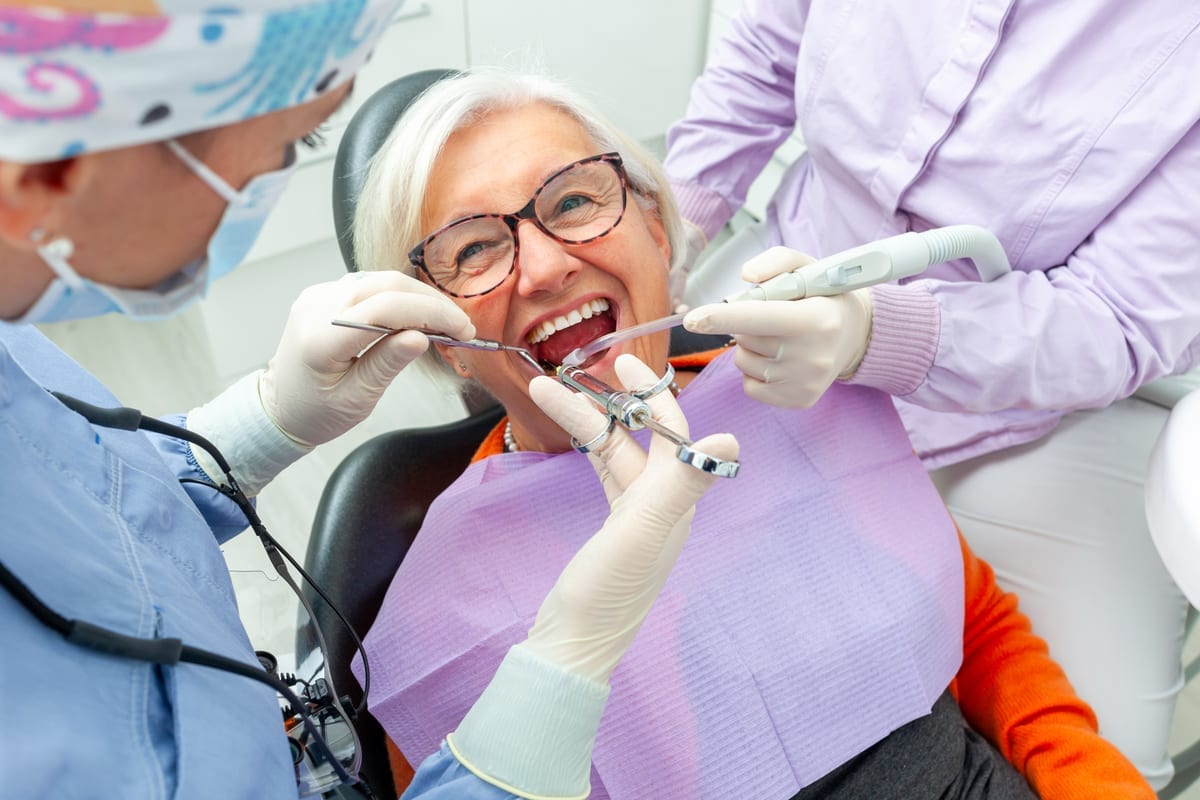
Not every dental office offers the same evaluation process. At Covina Dental Studio, Dr. Chung takes a comprehensive approach to help you make the right call. Every recommendation starts with a thorough clinical examination.
The evaluation typically includes:
- A detailed review of your bite, spacing, and tooth alignment
- Digital X-rays or 3D imaging to assess bone structure and tooth roots
- A discussion of your smile goals and lifestyle preferences
- An honest comparison of Invisalign versus braces for your specific case
Dr. Chung will never push one treatment over another for the wrong reasons. The goal is always to match the treatment to the patient — not the other way around. If Invisalign is right for you, you will know exactly why. If braces are the better fit, you will understand the reasoning clearly.
As part of a broader Cosmetic Dentistry Covina approach, orthodontic alignment often sets the stage for other smile enhancements. Straighter teeth allow for more predictable results with bonding, whitening, and veneers.
What to Do If You Are Unsure Which Option Is Right for You
Feeling uncertain is completely normal. Many patients come in thinking they know what they want — and leave with a different (often better) plan after a proper evaluation. The key is to get professional guidance before committing to any treatment.
Here are a few steps to take if you are unsure:
- Schedule a consultation to have your bite formally assessed
- Bring photos or notes about your specific concerns
- Ask about the timeline and expected outcomes for each option
- Discuss how each treatment fits your daily lifestyle and habits
Some patients also discover that bite issues are linked to other dental concerns. For example, a sudden change in your bite can occasionally signal a dental emergency. In those cases, Emergency Dentistry Covina services may be needed before any orthodontic plan begins.
Whatever your situation, starting with accurate information puts you in the strongest position. Dr. Chung and the Covina Dental Studio team are here to guide you every step of the way.
Conclusion: Finding the Right Bite Correction for You in Covina
Invisalign is a powerful tool — but it is not a universal solution. Understanding whether Invisalign can fix your bite, or whether you need braces instead, comes down to the severity and type of your specific bite problem. Mild to moderate issues often respond beautifully to clear aligners. More complex cases frequently require the consistent force that only traditional braces can provide.
Dr. Paul Chung at Covina Dental Studio is committed to helping every patient in Covina find a treatment path that truly fits their needs. An honest evaluation today can set you up for a healthier, more confident smile tomorrow. Book Now to schedule your appointment with our team.
Frequently Asked Questions
Can Invisalign fix an overbite completely?
Invisalign can correct mild to moderate overbites effectively. Severe overbites — especially those involving significant jaw misalignment — often require traditional braces or a combination of orthodontic and surgical treatment. Dr. Chung will evaluate the extent of your overbite and recommend the most effective approach.
How long does Invisalign treatment take compared to braces?
Invisalign treatment typically takes 12 to 18 months for qualifying candidates. Traditional braces often take 18 to 36 months depending on case complexity. Your specific timeline will depend on the severity of your bite issue and how consistently you follow the treatment plan.
Is Invisalign painful?
Most patients experience mild pressure or discomfort when switching to a new set of aligners. This is normal and usually fades within a day or two. Invisalign is generally considered more comfortable than traditional braces, which can cause irritation from brackets and wires.
What happens if I am not a good candidate for Invisalign?
If Invisalign is not the right fit for your bite issues, Dr. Chung will explain why and discuss alternative options such as traditional braces. In some cases, a combination approach — using both aligners and other appliances — may also be explored. The goal is always to find the most effective and appropriate treatment for your unique situation.
Can adults get Invisalign, or is it just for teenagers?
Invisalign is available for both adults and teenagers. In fact, many adult patients prefer Invisalign because the aligners are nearly invisible and can be removed for social events or meals. Age is generally not a barrier to candidacy — the key factor is the type and severity of your bite or alignment issue.