

Many patients in Covina are surprised to learn how long their dental work can actually last. With the right care, your dental restorations can last 20+ years — and what determines that in Covina often comes down to a few key factors. Dr. Paul Chung at Covina Dental Studio wants you to understand exactly what protects your investment. This guide covers everything from material choices to daily habits that make or break longevity.
What Types of Dental Restorations Are We Talking About?
The term ‘dental restoration’ covers a wide range of treatments. Each one has a different expected lifespan and set of maintenance needs. Knowing which type you have helps you plan for the long run.
Common restorations Dr. Chung places at Covina Dental Studio include:
- Dental bonding — typically lasts 5 to 10 years with proper care
- Porcelain veneers — can last 10 to 20 years or longer
- Composite or amalgam fillings — average lifespan ranges from 7 to 15 years
- Dental crowns — often last 15 to 25 years depending on material
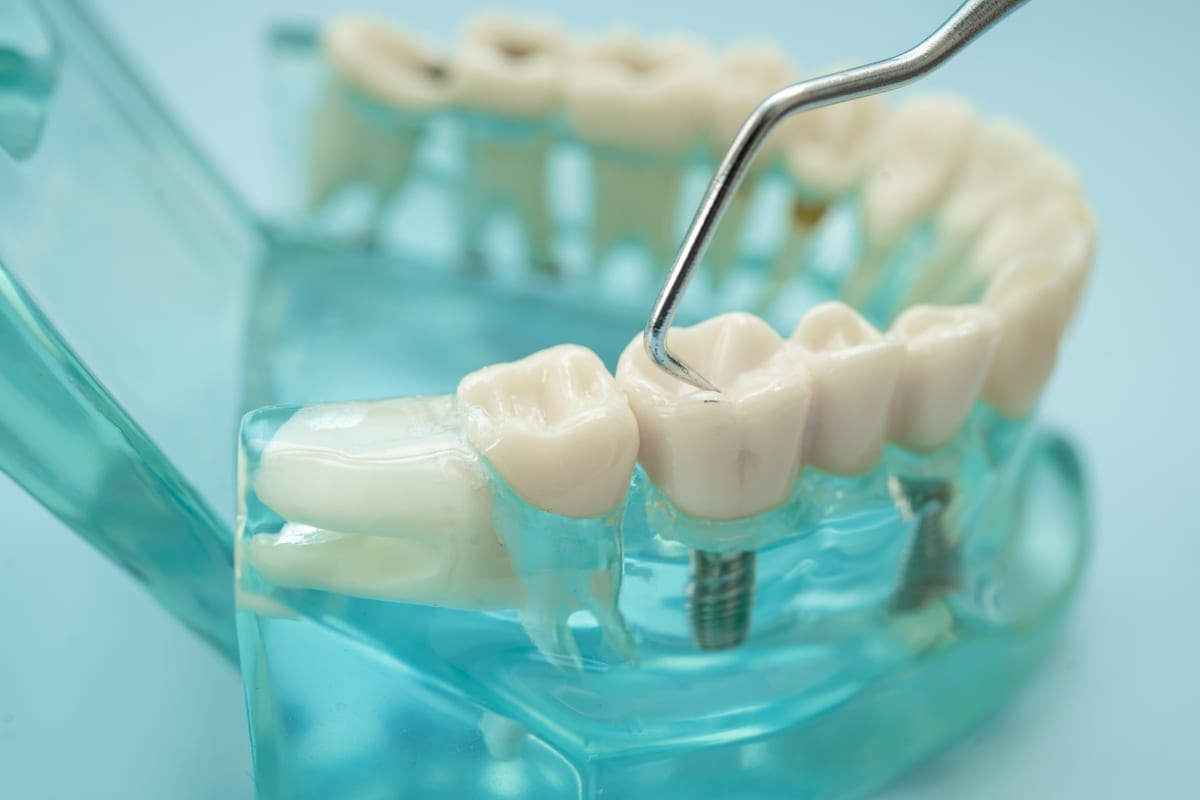
- Bridges and implants — implants can last a lifetime with good hygiene
These are general ranges, not guarantees. Your personal habits, oral health, and bite all influence how long restorations hold up. The good news is that most of these factors are within your control.
Key Factors That Determine How Long Your Restorations Last in Covina
No two patients are the same. Two people can get identical veneers and see completely different results years later. That gap comes down to several lifestyle and biological factors.
Diet and nutrition play a huge role. Hard foods like ice, hard candy, and certain nuts can chip or crack restorations. Acidic foods and drinks gradually wear down bonding materials and natural enamel alike.
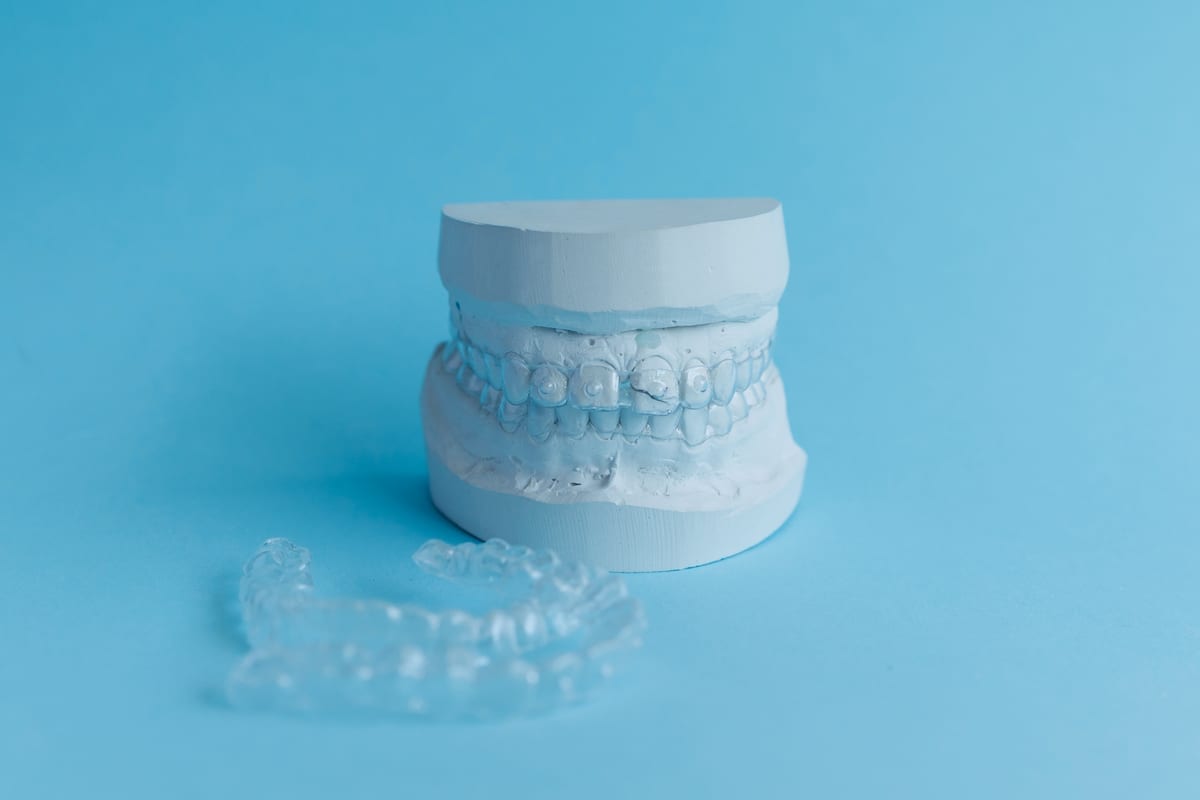
Teeth grinding (bruxism) is one of the biggest threats to restorations. Many Covina patients grind at night without realizing it. This constant pressure weakens even the strongest materials over time. Dr. Chung often recommends a custom nightguard to protect your dental work while you sleep.
Oral hygiene consistency matters just as much. Plaque buildup around restorations leads to decay at the margins. Once decay forms beneath a crown or bonding, the restoration often needs to be replaced entirely. Brushing twice daily and flossing every day keeps those margins clean and intact.
What Shortens the Lifespan of Dental Restorations
Some habits actively work against your dental work. Being aware of them helps you make smarter choices day to day.
Here are the most common restoration killers to avoid:
- Using teeth as tools — opening packages, biting nails, or holding objects
- Skipping routine dental checkups and cleanings
- Drinking excessive amounts of coffee, wine, or soda
- Smoking or using tobacco products, which weaken gum tissue around restorations
- Ignoring early warning signs like sensitivity, chipping, or discoloration
A cracked restoration left untreated can allow bacteria into the tooth structure beneath. That often turns a simple repair into a tooth extraction. If you notice anything unusual, contact Covina Dental Studio promptly. Our team can assess whether a quick fix or a full replacement is needed.
Delaying treatment is one of the most common reasons patients end up needing more extensive procedures. Issues that seem minor rarely stay minor for long.
How Routine Care at Covina Dental Studio Extends Restoration Life
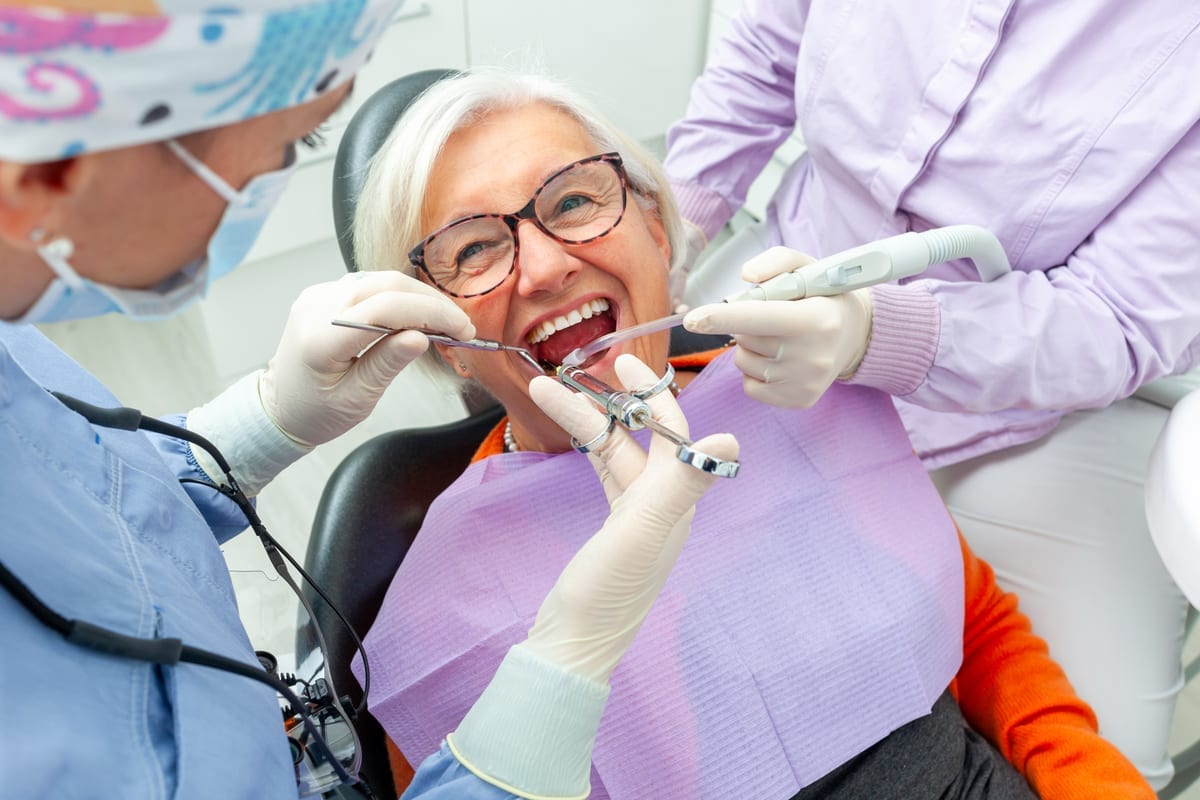
Professional maintenance is the single most powerful tool for extending the life of any restoration. Dr. Paul Chung recommends seeing us at least twice a year for cleanings and exams. These visits allow our team to catch early wear, check margins, and polish restorations properly.
During your checkup, we evaluate several things your restoration depends on:
- Bite alignment — uneven pressure accelerates wear on crowns and veneers
- Gum health — receding gums expose restoration margins to bacteria
- Bonding integrity — small cracks or chips can be repaired before they worsen
- Enamel condition — protecting surrounding teeth protects the restoration too
Our Cosmetic Dentistry Covina services are designed with longevity in mind. Every treatment plan we build considers not just how a restoration looks today, but how well it will hold up years from now. That philosophy is central to how Dr. Chung approaches care.
Professional cleanings also remove tartar that home brushing cannot reach. Tartar buildup near restoration margins is a quiet threat that builds over months. Regular cleanings eliminate that risk before it becomes a problem.
When Restorations Need to Be Replaced — and What to Expect
Even well-maintained restorations eventually reach the end of their lifespan. That is completely normal and expected. The key is recognizing the signs early so replacement happens on your schedule, not in an emergency.
Warning signs that a restoration may need attention include:
- Increased sensitivity to hot, cold, or sweet foods
- Visible cracks, chips, or discoloration along edges
- Pain when biting down
- A restoration that feels loose or shifted
If you experience sudden pain or a broken restoration, that qualifies as a dental emergency. Our team handles urgent situations through Emergency Dentistry Covina services. We prioritize getting you seen quickly so damage does not spread.
Replacing a restoration is often straightforward when caught early. Waiting until a tooth is severely damaged can mean more complex treatment like a root canal or extraction. Early action always leads to simpler and more affordable outcomes.
Conclusion: Protecting Your Smile for the Long Term
Your dental restorations are a meaningful investment in your health, function, and confidence. With consistent home care, smart habits, and regular visits to Covina Dental Studio, those restorations can truly stand the test of time. Dr. Paul Chung and our team are here to support your smile at every stage. Book Now to schedule your appointment with our team.
Frequently Asked Questions
How long do dental veneers typically last?
Porcelain veneers generally last between 10 and 20 years with proper care. Avoiding hard foods, wearing a nightguard if you grind, and attending regular dental checkups all help extend their lifespan significantly.
Can a dental crown last more than 20 years?
Yes, many dental crowns last 20 to 25 years or longer. The material used, your bite alignment, and how consistently you maintain your oral hygiene all influence how long a crown stays functional and intact.
What is the most common reason dental restorations fail early?
Skipping routine dental checkups is one of the leading causes of early restoration failure. Without professional monitoring, small issues like margin decay or bite changes go undetected until significant damage has already occurred.
Does teeth grinding really damage dental restorations?
Absolutely. Bruxism — chronic teeth grinding — puts enormous stress on crowns, veneers, bonding, and fillings. Dr. Paul Chung often recommends a custom nightguard for patients who grind at night to protect their dental work during sleep.
How often should I visit Covina Dental Studio to maintain my restorations?
Most patients benefit from visiting at least twice a year for cleanings and exams. Patients with existing restorations may need slightly more frequent visits so Dr. Chung can monitor wear, check margins, and address any early changes before they become bigger problems.