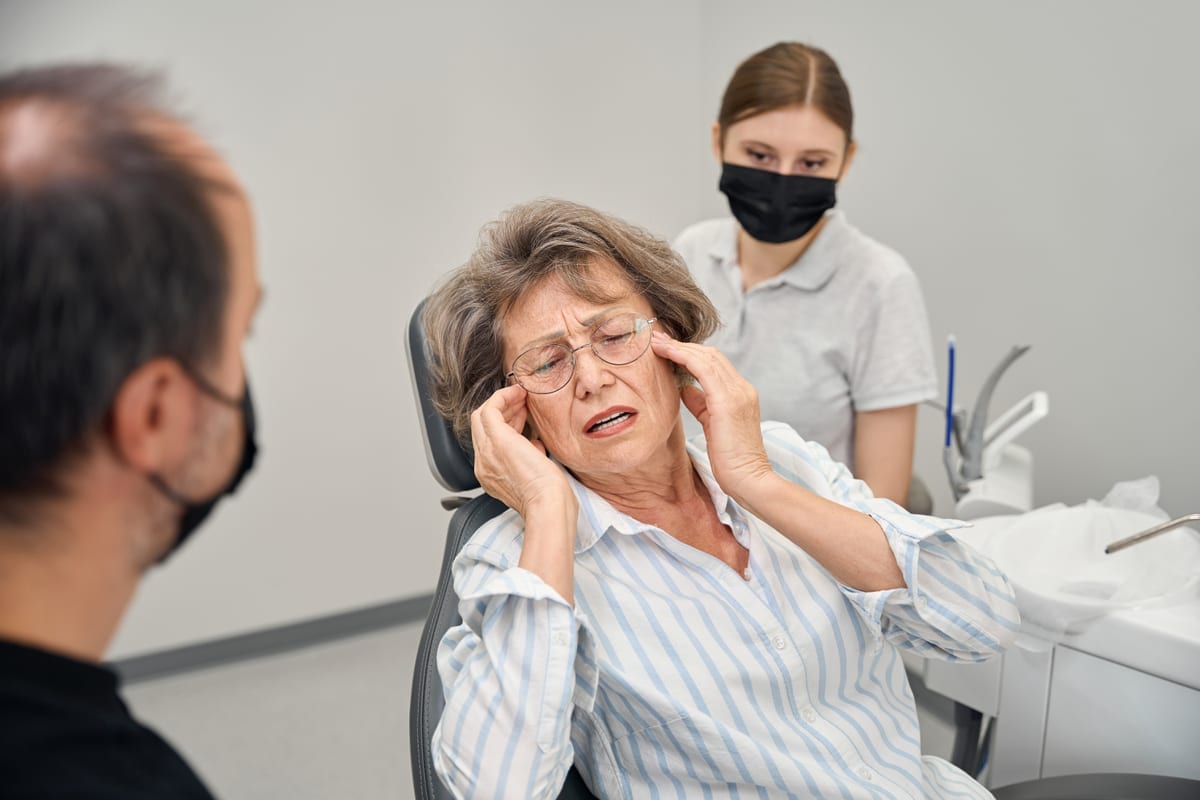



If you live in Vincent and wake up with a sore jaw, you are not alone. Many people experience jaw pain without knowing why. Understanding why your jaw pain might be caused by stress and grinding in Vincent is the first step toward lasting relief. At Covina Dental Studio, Dr. Paul Chung helps patients identify the root causes of their discomfort every day.
Jaw pain can feel like a dull ache, a sharp throb, or even a clicking sensation. It often gets worse in the morning or after stressful days. The temporomandibular joint (TMJ) connects your jaw to your skull. When this joint is under pressure, pain can spread to your ears, neck, and head.
How Stress and Bruxism Trigger Jaw Pain in Vincent
Stress is one of the most common hidden causes of jaw pain. When you feel anxious or overwhelmed, your body holds tension in unexpected places. Many people clench their teeth without realizing it during the day. At night, this clenching can turn into full-on teeth grinding, known as bruxism.
Bruxism places enormous pressure on the TMJ and surrounding muscles. Over time, this repeated strain breaks down the cartilage in the joint. Patients in Vincent often describe morning jaw soreness as their first warning sign. If you recognize this pattern, it is worth exploring why your jaw pain might be caused by stress and grinding in Vincent.
Common signs of stress-related bruxism include:
- Waking up with a tight or sore jaw
- Frequent headaches, especially near the temples
- Flattened, chipped, or worn-down teeth
- Increased tooth sensitivity without an obvious cause
- A partner telling you that you grind your teeth at night
Stress management is important, but dental intervention is often needed too. A custom night guard can protect your teeth and relieve pressure on the joint. Dr. Paul Chung can evaluate your grinding patterns and recommend the right approach for you.
Bite Misalignment as a Root Cause of TMJ Disorders
Your bite plays a critical role in jaw health. When your upper and lower teeth do not align properly, your jaw compensates. This compensation puts uneven stress on the TMJ over time. Even a slight misalignment can lead to significant discomfort.
Bite issues can develop from missing teeth, poorly fitted dental work, or natural jaw development. They can also result from childhood habits like thumb sucking. Patients with bite problems often clench or grind without realizing their bite is to blame. This creates a cycle of pain that worsens without treatment.
Correcting bite misalignment may involve orthodontic work or dental restorations. In some cases, simple adjustments to existing dental work can make a big difference. Cosmetic Dentistry solutions like veneers or bonding can sometimes improve bite alignment alongside aesthetics. Dr. Chung evaluates every patient’s bite to find the most effective path forward.
Arthritis and Past Jaw Injuries That Cause Ongoing Pain
Not all TMJ pain comes from habits or stress. Arthritis is a significant physical cause of jaw joint deterioration. Osteoarthritis and rheumatoid arthritis can both affect the TMJ. These conditions break down the cartilage that allows smooth jaw movement.
Past jaw injuries are another overlooked cause of chronic pain. A sports impact, car accident, or even a dental procedure can traumatize the joint. The damage may not cause symptoms right away. Pain often surfaces months or years after the original injury.
Patients with these conditions benefit from early diagnosis and targeted treatment. Leaving arthritis or injury-related TMJ damage untreated leads to worsening symptoms. If your jaw pain appeared after an injury or if you have arthritis elsewhere, mention it to Dr. Chung. Early treatment protects the joint and improves long-term outcomes.
Signs that arthritis or injury may be involved include:
- A grinding or crunching sound when you open your mouth
- Jaw stiffness that is worse in the morning
- Limited range of motion when opening or closing your mouth
- Pain that worsens during cold or damp weather
- A history of facial trauma or jaw dislocation
Why Early TMJ Treatment in Vincent Makes a Difference
Many Vincent residents try to push through jaw pain. They hope it will resolve on its own. Unfortunately, untreated TMJ disorders rarely improve without some form of care. The longer the joint remains under stress, the harder it becomes to treat effectively.
Early intervention can prevent the need for more invasive treatments later. Dr. Paul Chung takes a conservative and thorough approach to TMJ care at Covina Dental Studio. Treatment may include night guards, bite adjustments, physical therapy referrals, or anti-inflammatory strategies. Every plan is tailored to the individual patient’s needs.
Jaw pain can also signal other dental issues that need attention. Untreated grinding erodes enamel and weakens teeth over time. In urgent situations, severe jaw locking or sudden pain may require Emergency Dentistry care. Do not wait for pain to become unbearable before seeking help.
Taking action early protects your teeth, your joint, and your overall quality of life. Vincent patients who address TMJ causes early report better sleep, less daily pain, and improved jaw function. Understanding your triggers is the most powerful first step you can take.
Conclusion: Get Answers for Your Jaw Pain at Covina Dental Studio
Jaw pain is not something you should have to live with. Whether your discomfort stems from stress, grinding, bite issues, arthritis, or an old injury, there are real solutions available. Dr. Paul Chung and the team at Covina Dental Studio are here to help Vincent patients identify causes and find relief. Book Now to schedule your appointment with our team.
Frequently Asked Questions
Can stress alone cause TMJ pain without grinding?
Yes, stress can cause jaw pain even without visible grinding. Many people clench their teeth during the day under stress without realizing it. This daytime clenching still puts significant pressure on the TMJ. Over time, it can lead to soreness, headaches, and joint inflammation.
How do I know if I grind my teeth at night?
Common signs include waking up with jaw soreness, headaches, or tooth sensitivity. Your teeth may appear flattened or chipped over time. A partner might hear grinding sounds while you sleep. Dr. Chung can also identify signs of grinding during a routine dental exam.
Is TMJ disorder the same as jaw pain?
Not exactly. TMJ disorder refers specifically to dysfunction of the temporomandibular joint. Jaw pain is a symptom that can result from TMJ disorder or other causes. A proper diagnosis from a dentist helps determine whether the joint itself is involved. Treatment varies depending on the underlying cause.
Can a night guard fully treat TMJ problems?
A night guard is an effective tool for reducing grinding and relieving jaw pressure. However, it addresses the symptom rather than every possible underlying cause. Bite misalignment, arthritis, or stress may require additional treatment. Dr. Chung will recommend a comprehensive plan based on your specific situation.
When should I see a dentist for jaw pain?
You should see a dentist if jaw pain lasts more than a few days or keeps returning. Seek care sooner if you have difficulty opening your mouth or notice tooth wear. Sudden, severe jaw locking or pain may require urgent attention. Early evaluation leads to better treatment outcomes.