

Getting a dental crown is a two-appointment process for most patients. Between those visits, you’ll wear a temporary crown that protects your tooth. If you’re in Vincent and going through this phase, knowing what to expect makes the waiting game much easier. This guide covers everything you need to know about temporary crowns — from eating and cleaning to what happens if it pops off.
What Is a Temporary Crown and Why Do You Need One?
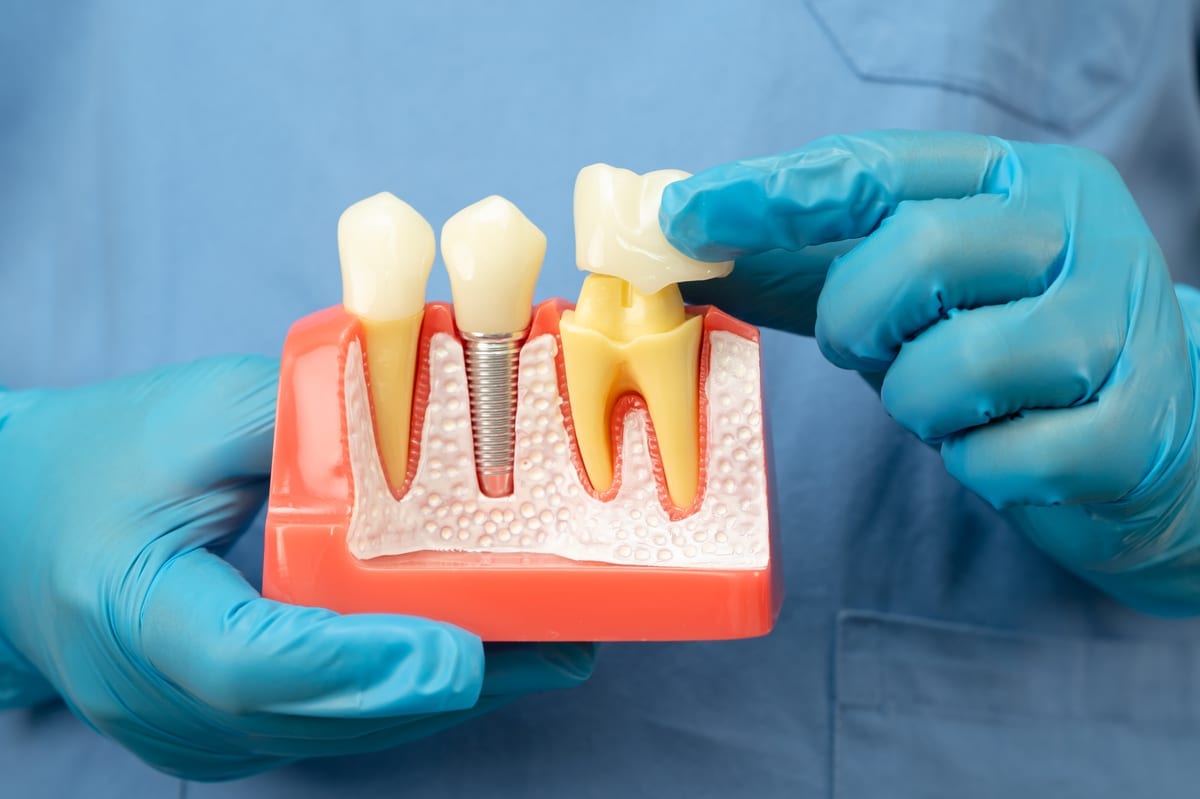
A temporary crown is a short-term cap placed over a prepared tooth. It protects the tooth while your permanent crown is being custom-made at a dental lab. Without it, your exposed tooth would be sensitive and vulnerable to damage.
Temporary crowns are typically made from acrylic or composite resin. They look similar to natural teeth but are not as strong or durable. They serve one important purpose: to hold your spot until the permanent crown is ready.
The wait between appointments is usually one to three weeks. During that time, your tooth is more fragile than usual. Taking care of your temporary crown properly protects both your comfort and your final results.
What to Eat and Avoid With a Temporary Crown in Vincent
Diet is one of the most important things to manage during the waiting game. Temporary crowns are bonded with weak cement on purpose. This makes them easier to remove at your next appointment, but it also means they can dislodge more easily.
Foods to avoid while wearing your temporary crown:
- Sticky foods like caramel, taffy, and chewing gum
- Hard foods like raw carrots, nuts, and crusty bread
- Crunchy snacks like chips or hard pretzels
- Chewy meats that require heavy biting force
- Extremely hot or cold foods that trigger sensitivity
Safe foods to enjoy during this phase include soft options. Think mashed potatoes, yogurt, eggs, soft fish, and cooked vegetables. Try to chew on the opposite side of your mouth when possible. This small habit reduces stress on the temporary crown significantly.
How to Clean a Temporary Crown Without Dislodging It
Good oral hygiene is still essential during the temporary phase. However, you do need to adjust your technique slightly. Rough handling around the temporary crown can loosen it before your permanent one is ready.
Follow these cleaning tips every day:
- Brush gently around the temporary crown using a soft-bristle toothbrush
- Floss daily, but slide the floss out sideways instead of snapping it upward
- Avoid floss picks or water flossers directly on the temporary crown
- Use a non-abrasive toothpaste to reduce irritation
- Rinse with an alcohol-free mouthwash to control bacteria
Bacteria buildup around a temporary crown can cause gum inflammation. Keeping the area clean reduces discomfort and protects your gum tissue. Healthy gums also help your permanent crown fit better when it’s placed.
If your gums feel tender or swollen around the crown, that’s normal at first. Let Dr. Paul Chung know at your follow-up if the irritation does not improve within a few days.
What to Do If Your Temporary Crown Falls Off
A dislodged temporary crown is not a dental emergency in most cases. However, you should act quickly to protect your exposed tooth. Leaving it uncovered for too long can cause sensitivity and shifting.
Here’s what to do right away:
- Retrieve the temporary crown carefully and rinse it clean
- Do not try to force it back onto the tooth yourself
- If you must wait for an appointment, use dental cement from a pharmacy as a short-term fix
- Call your dental office as soon as possible to schedule a re-cementing visit
- Avoid eating on that side of your mouth until the crown is secured
If you experience sharp pain, visible damage to the tooth, or significant swelling after the crown falls off, seek care promptly. That situation may require attention from Emergency Dentistry Vincent to address the issue quickly and safely.
Most offices will schedule a same-day or next-day appointment for a fallen temporary crown. Don’t wait more than 24 to 48 hours before contacting your provider.
How Long Will You Wait and What Comes Next?
Most patients wear a temporary crown for one to three weeks. The exact timeline depends on the dental lab’s schedule and the complexity of your permanent crown. Some specialized or cosmetic crowns may take slightly longer.
Your permanent crown is custom-crafted to match your tooth’s shape, size, and color. Labs use detailed impressions or digital scans taken at your first appointment. Precision takes time, which is why the waiting game exists at all.
Once your permanent crown arrives, the process of placing it is straightforward. Dr. Paul Chung will remove the temporary, clean the prepared tooth, and bond the permanent crown in place. Most patients notice an immediate improvement in comfort and appearance.
If you’re interested in improving the look of surrounding teeth at the same time, ask about Cosmetic Dentistry Vincent options that complement your new crown. Matching the shade of nearby teeth can create a seamless, natural-looking smile.
Tips for Making the Waiting Period Comfortable
The temporary crown phase feels long for some patients, especially if sensitivity is present. A few simple strategies help you stay comfortable while you wait.
Use a sensitivity toothpaste for any lingering discomfort around the crowned tooth. Over-the-counter pain relievers like ibuprofen can ease mild soreness after placement. Avoid extremely cold or hot beverages if temperature sensitivity bothers you.
Stay consistent with your follow-up appointment. Skipping or delaying the second visit leaves you wearing a temporary crown longer than necessary. That increases the risk of it falling off or wearing down prematurely.
Contact your dental team right away if anything feels wrong. A sudden increase in pain, pressure, or sensitivity warrants a quick check. Your provider would rather hear from you early than deal with a bigger problem later.
Frequently Asked Questions
Can I brush my teeth normally with a temporary crown?
Yes, but gently. Use a soft-bristle toothbrush and avoid scrubbing aggressively around the crown area. Slide floss out sideways rather than snapping it upward to avoid loosening the temporary cement.
Is it normal for a temporary crown to feel uncomfortable?
Some sensitivity and mild soreness is completely normal, especially in the first few days after placement. If you experience sharp or throbbing pain that does not improve, contact your dental office for an evaluation.
What happens if I swallow my temporary crown by accident?
Swallowing a small dental appliance is usually not dangerous. However, call your dental office right away so they can replace it promptly. Never leave a prepared tooth unprotected for more than a day or two.
Can my temporary crown affect how I speak?
Temporarily, yes. Some patients notice a slight change in speech right after placement. Your tongue and lips adjust quickly, and most patients feel normal within a day or two of wearing the crown.
How do I know when my permanent crown is ready?
Your dental office will contact you once the lab delivers the finished crown. They will schedule your second appointment at that point. If you haven’t heard back within three weeks, it’s fine to call and check on the status.
The temporary crown phase is a short but important part of your dental treatment. Treat it with care, follow your provider’s instructions, and the waiting game will go smoothly. Dr. Paul Chung and the team at Covina Dental Studio are here to guide Vincent patients through every step of the process. Book Now to schedule your appointment with our team.